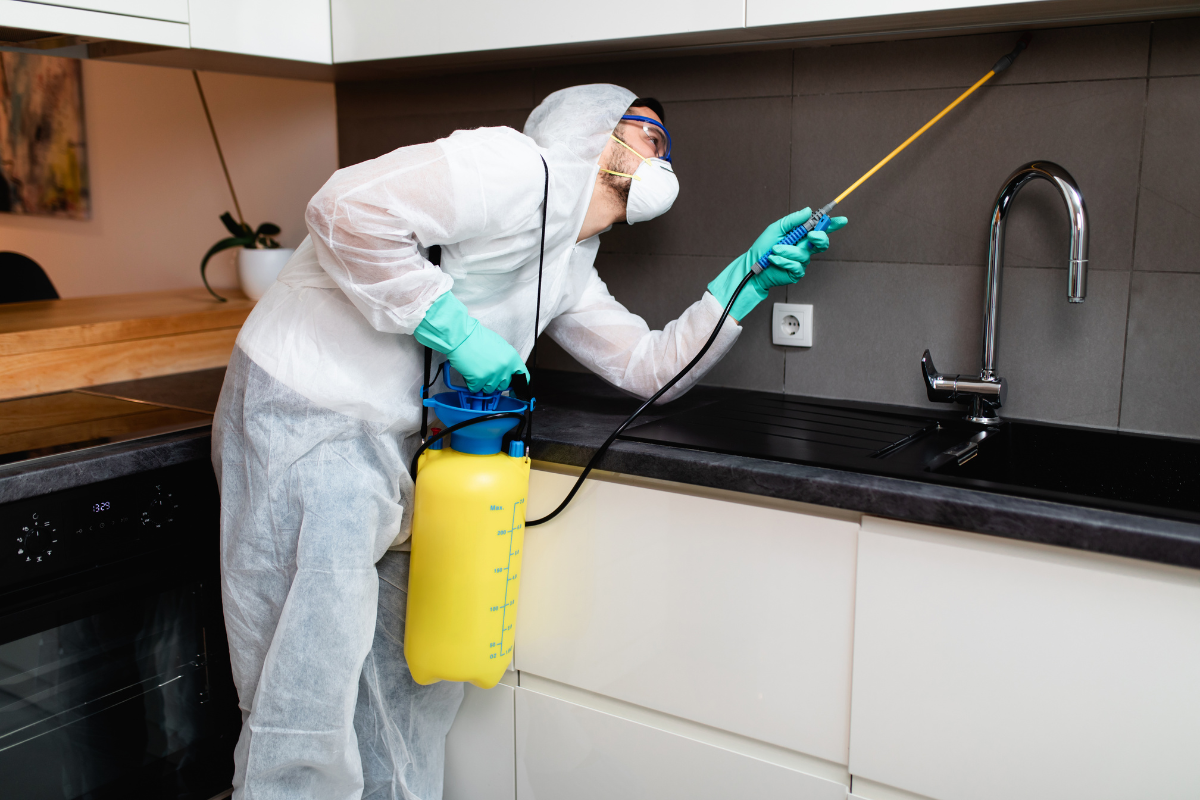
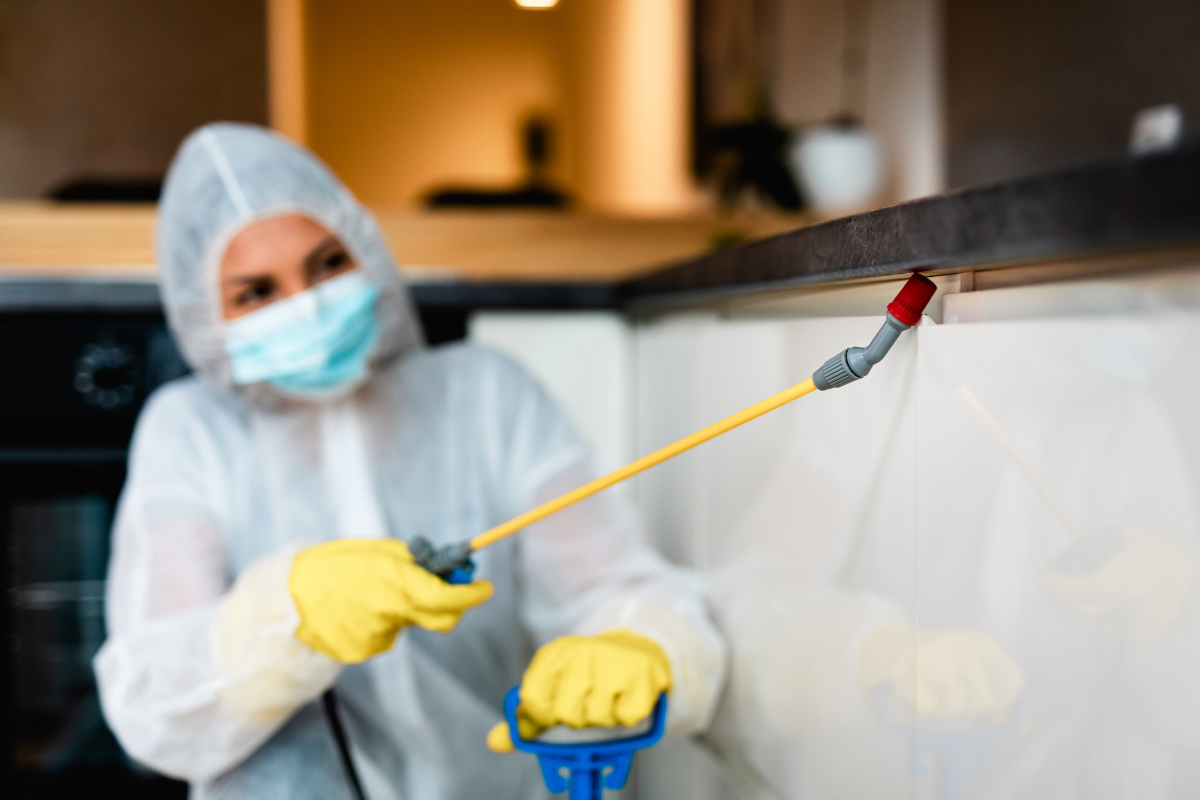
Hiring an exterminator service when you live with pets calls for more than clearing a path to the baseboards. Pets lick floors, burrow into blankets, nose around vents, and nap in sun-warmed windowsills. The very habits that make them lovable also put them in contact with treatment zones, bait placements, and residues. With the right preparation, you can keep your animals safe while giving the pest control contractor a clear runway to work thoroughly and efficiently.
What follows draws on years of working alongside technicians and clients in homes that run on pet schedules. The aim is practical: make the visit smooth for you, safe for your animals, and effective for the pests you want gone.
Why pet-safe preparation matters
Most reputable pest control companies use integrated strategies that limit risk to people and animals. Even so, effective treatments can include potent ingredients and equipment that are hazardous when handled or ingested. Dogs and cats are obvious, yet the risks extend to birds with delicate respiratory systems, small mammals that chew, reptiles that absorb chemicals through their skin, and fish that cannot escape airborne droplets.
Good preparation is not just about preventing a single exposure. It sets up the technician to use the least invasive approach that will actually work. Clear rooms mean better inspections and fewer broad-spectrum applications. Properly stored pet food makes baiting more successful. Accurate notes on where your pets sleep or chew help an exterminator avoid placing materials where curiosity will win.
A quick note on terminology and accountability
Homeowners often use exterminator, pest control service, pest control company, and pest control contractor interchangeably. What matters more than the label is licensing, insurance, and the company’s approach. Ask for a treatment plan in writing, including active ingredients and safety intervals. Good firms welcome questions and tailor their approach to the living beings inside the home, not just the insects or rodents.
The conversation to have before anyone arrives
Call the exterminator company at least two days ahead and share specifics. You want your technician to know your animal roster and their quirks. If a malamute can open lever handles, if a parrot lives in the family room, if the bearded dragon free-roams two hours a day, those details change how and where the tech works.
Be ready with information that technicians use to design safer, more targeted treatments:
- Species and number of pets, including tanks and cages, with locations by room. Allergies and sensitivities, especially respiratory issues in birds or brachycephalic dogs. Where pets eat, sleep, and eliminate, since residues near those zones are higher risk. Any history of flea or tick preventives used on your animals that could interact with other products.
This is also the time to discuss timing. Morning appointments help with birds and fish because you can ventilate during midday hours. For cats that hide at the slightest commotion, aim for a day when you can confine them comfortably and calmly without rushing.
Preparing the home room by room
Walk the house as a technician would. Think about access to baseboards, corners behind appliances, attic hatches, and the voids under sinks. In a pet household, also consider every place an animal mouth, paw, or wing might reach.
Entryways and living spaces: Collect pet toys, especially anything with fabric or rawhide, and store them in sealed bins. If bait placements are needed, you do not want a retriever stealing a bait station that smells faintly of food. Lift floor blankets and relocate pet beds. Wash what you can now, then keep them bagged in a clean closet until after the service.
Kitchen: Put kibble in sealed containers, not roll-top bins. Roll-top designs often leave a scent trail that draws ants and roaches, undermining baiting. Clear the toe-kicks and remove items under the sink. If your cat drinks from a water fountain, unplug and empty it before the appointment.
Bedrooms: Move nightstand items if bed bugs are suspected, and launder pet bedding on high heat. For general crawling insects, pull furniture a few inches off the walls to expose baseboards. If your cat uses the bedroom closet as a retreat, designate another safe room to reduce stress once the crew arrives.
Bathrooms and laundry: These often hide key infestations because of moisture. Secure litter boxes with lids or relocate them temporarily. If you use silica litter, be aware that some dust can complicate residual applications, so ask whether to pause use or leave the box untouched until after service.
Utility areas and garages: Dogs like to explore these spaces while you hold the door. Confine them before opening to prevent them from walking on fresh applications. Remove pet-safe antifreeze substitutes or cleaning supplies that have strong odors, which can mask pheromone trails the technician needs to follow.
Yards and patios: For outdoor treatments, pick up chew toys, wash pet dishes, and coil hoses. Mow the lawn a day before the appointment if ticks or fleas are in play. Shorter grass helps the exterminator service target harborages at the soil line without overapplying. If your dog has a digging habit, show those spots to the technician, as they can be entry points for ants or rodents.
Species-specific precautions you should not skip
Dogs: They are nose-forward and often lick surfaces. Crating in a quiet, well-ventilated room far from treatment zones works best. If crating is stressful, arrange doggy daycare during application and the post-treatment interval. For flea programs, sync the home treatment with your veterinarian’s topical or oral preventive to avoid a chemical pile-up or a wasted window.
Cats: Cat curiosity creates unique risks. Sticky traps can catch whiskers and paws, and gel baits can end up on fur that gets groomed later. Tell your pest control contractor where your cats hide, then block those hideaways that sit near baseboards or vents. Open windows for ventilation only if you can secure screens and prevent escapes.
Birds: Parrots and finches have highly sensitive respiratory systems. Even short exposure to aerosols or strong odors can cause distress. Move them off-site if possible. If not, place them in a room that will not be treated, run a HEPA filter, and seal door gaps with towels. Confirm that no foggers or volatile sprays will be used. Many exterminator companies can pivot to baits, gels, and crack-and-crevice treatments that limit airborne risks.
Reptiles and amphibians: Reptiles absorb through their skin, and amphibians are even more sensitive. Relocate them out of the home during treatment and for a cautious buffer afterward. Cover tanks and turn off air pumps temporarily to prevent drawing in airborne particles. Bring a checklist when transporting a vivarium inhabitant so heat and humidity remain stable.
Small mammals: Rabbits, guinea pigs, and ferrets chew first, ask questions later. That makes them magnets for bait stations if given a chance. Confine them well away from activity, and stash hay and treats in airtight containers. Show the technician how far a free-roaming ferret can squeeze, because bait placements that are safe for a dog might be reachable for a ferret.
Fish: Aerosolized droplets and powders can settle on water surfaces. Drape tanks with a breathable cloth and switch off the aeration during applications in the same room. If the exterminator service plans large-scale sprays, move the tank to a distant room the day before.
Clarifying treatment types and what they mean for pets
Ask your pest control company which categories of treatment they intend to use. The label is the law for technicians, but you need the plain-language version.
Baits: These are targeted and often preferred in pet homes. Professional stations are tamper-resistant, yet anything loose or gel-based must be placed where paws and tongues cannot reach. Clever pets can dislodge poorly placed stations, so confirm secure placement and document locations.
Insect growth regulators: Often used for fleas and stored-product pests, these affect insect development rather than adult mammalian systems. Even so, you should still respect the reentry interval and allow residues to dry fully.
Residual crack-and-crevice applications: Done correctly with precision tips, they deliver product into spaces pets cannot access. Success depends on access, which is why moving furniture and decluttering baseboards matters.
Dusts: Borates, diatomaceous earth, and silica-based dusts can be effective, but loose dust presents inhalation risks for birds and small animals and eye irritation for cats and dogs. Dust should stay behind outlets, inside wall voids, or in attics. If you see visible dust in living areas, ask for cleanup.
Aerosols and space sprays: These bring the highest exposure potential. Most pet-friendly homes are better served with baits, traps, and targeted applications. If an aerosol is necessary, plan for off-site pet boarding and longer ventilation.
Heat or steam: For bed bugs and some mites, nonchemical heat or steam can reduce chemical load. You will still need to protect animals from high temperatures and moving equipment. Fish tanks and electronics are sensitive, and birds should be well away from these treatments.
The day of service: a calm, controlled routine
On the morning of the appointment, feed pets early, then remove food and water from rooms to be treated. A full belly reduces the temptation to chew on anything new. Crate or relocate pets before the front door opens. Set out a printed floor plan or sticky notes that mark tanks, cages, and pet zones. Clear communication at the door prevents assumptions that cost time later.
Walk the technician through the home and speak specifically: where ants trail along a window sash at 4 p.m., where you hear scratching in the wall between midnight and 2 a.m., where fleas are worst after your dog lies down. Point out any prior DIY treatments, especially if you have used foggers or over-the-counter dusts. Those can complicate the chemistry and, in some cases, repel pests from baits.
Stay available but give the tech space. Professionals from a reputable exterminator company will track what they use and where. Ask them to note placements on a simple map. Photograph bait stations if you like, so you can check them later without moving anything.
Reentry and ventilation, with real-world time frames
Labels vary, climate matters, and the layout of your home changes airflow. As a general practice, keep pets out until all treated surfaces are visibly dry and any specified reentry interval has passed. Dry times for water-based products can run 1 to 4 hours depending on humidity. Solvent-based products need longer ventilation. If you can cross-ventilate for an hour after application and keep HVAC running with a clean filter, odors dissipate faster.
Birds, reptiles, and small mammals should return last, after you have lived in the space for a few hours without irritation. If anyone in the household notices eye or throat sensitivity, extend the window. When in doubt, call your pest control service and give them the product names from your invoice so they can advise.
Cleaning after treatment without canceling the treatment
Overzealous cleaning can wipe away the very residues or baits that do the work. You can wipe food-prep surfaces, pet feeding stations, and doorknobs right away, since those should never be treatment points. For baseboards and the angles where floors meet walls, hold off 7 to 14 days unless your technician advises otherwise. Vacuuming a carpet is usually fine the next day for flea work, and it helps trigger egg hatch so the insect growth regulator can take effect, but ask first.
If you see a gel bait smudged onto a baseboard, resist the urge to scrub. Take a photo and call the company. They may want to reapply or adjust placement. If dust is visible on a windowsill or floor and you have birds or kids, lightly damp-wipe to trap particles, then inform the technician so they can revisit technique.
The safe room, and how to set it up well
Designate one room as a true sanctuary. Choose a space that will not require treatment that day, ideally with hard floors for easy cleanup and good natural ventilation. Stock it with pet beds, water, a litter box for cats, and puzzles for dogs. Tape a note on the door to remind the crew that this room is off-limits.
I once had a client whose conure panicked when strangers crossed the hallway, even if they never opened the cage. We set the bird up in a guest bathroom with a white-noise machine, a towel draped over the cage on the side facing the door, and a small HEPA unit. The crew treated the opposite end of the house first, placed interior bait stations well away, then stepped outside and worked back toward the safe room after airing out. That simple sequence prevented a meltdown and still allowed a thorough service.
Synchronizing with veterinary care
Talk to your veterinarian if your pets have chronic conditions or if you are planning flea or tick regimens. Common isoxazoline-based flea preventives combine well with a professional home treatment, but timing matters. A typical stagger is vet product on day zero, whole-home flea service on day two, vacuuming daily for 10 days, and a follow-up inspection in 14 to 21 days. For pets with seizures or respiratory issues, your vet can suggest quieter, lower-odor options and might recommend temporary boarding.
If your animal has a habit of pica or chewing drywall, say so. Some dogs will seek out the smell of bait, even inside tamper-resistant stations. Your exterminator contractor can secure stations to walls, elevate placements, or switch to snap traps in lockable boxes for rodents when ingestion risk is too high.
Special cases: bed bugs, German roaches, and rodents
Bed bugs: Pet-safe preparation is labor-intensive but worthwhile. Wash and heat-dry all pet bedding, plush toys, and removable cushion covers. Store items in sealed bags. During treatment, pets must be confined to untreated rooms, since heat and residuals often focus around sleeping areas where animals like to nest. For cats that sleep under bed frames, ask about encasing box springs and bed frames with interceptors, which reduce pesticide use over time.
German cockroaches: Food control is half the battle. In a pet home, open bowls and overnight kibble feed roaches and reduce the appeal of professional baits. Switch to timed meals during service, pick up food after 20 to 30 minutes, and wipe the feeding area. Show the technician where you store treats and supplements, since those cabinets often harbor roaches.
Rodents: Secondary poisoning risk is real if a dog or cat consumes a poisoned rodent, though modern baits and strategies reduce this hazard. If you keep terrariums with feeder rodents, flag this immediately. In many pet homes, snap traps inside sealed stations, structural exclusion, and sanitation outperform rodenticide-only approaches. Have the pest control company map every station. Check them visually without opening, and call for service if you see activity.
Outdoor applications when pets own the yard
Dogs and cats spend hours in the same turf where ticks, fleas, and ants live. Coordinate lawn treatments for days when you can keep animals off the grass until dry, then add a buffer. Water the lawn lightly the day before, not the morning of. Wet blades slow drying. For tick work on perimeter vegetation, ask the tech to avoid blooming plants to protect pollinators, and keep pets on-leash during the first day back in the yard so they do not nose into shrub bases.
If you keep backyard chickens or ducks, coordinate carefully. Many labels treat poultry areas as livestock settings. That often means adjusting products, rerouting application paths, and sometimes scheduling separate service windows.
How to vet the pest control service for pet awareness
You will learn a lot from the questions the company asks you. Strong signs include a willingness to inspect before quoting, transparency about active ingredients, and an integrated pest management mindset that reduces chemical load with sanitation, sealing, and trapping. Ask whether technicians carry low-odor formulations, whether they have lockable bait stations sized for your pests, and how they handle bird and reptile households. If the company balks at discussing reentry times or tries to sell a one-size plan without walking the property, keep looking.
Good exterminator companies track what they place and will provide a service report listing products, EPA registration numbers, and placement notes. Keep those reports with your pet health records. If you ever need emergency veterinary advice, the exact product names matter.
Aftercare and what to expect in the first two weeks
Most pests spike briefly after service. Ants may explore more as colonies redistribute, roaches may emerge and die in the open, and flea larvae can keep hatching. This is normal. Keep pets from investigating dead insects. Vacuum and empty canisters outside. If you find a bait station disturbed or a trap missing, call the pest control service rather than improvising a fix.
Schedule your follow-up while the first visit is fresh. For German roaches, 2 to 3 weeks is common. For fleas, expect a 14 to 21 day arc as life stages work through. Ask whether to repeat yard treatments on a monthly or biweekly cadence during peak season. Pet traffic patterns inform this schedule more than the calendar does. A pair of indoor cats means one thing. Three dogs that visit a creek daily means another.
Balancing safety and effectiveness, without micromanaging
There is a line between thoughtful preparation and getting in the technician’s way. Your job is to disclose, declutter, and control animal movement. The technician’s job is to apply knowledge of pest biology and product labels to your home’s layout. If something feels off, speak up. If a gel bead ends up within paw reach, ask for a relocation. If a recommendation clashes with your animal’s routine, explain https://emilianokaux398.almoheet-travel.com/how-to-prevent-mosquitoes-pest-control-service-recommendations why and work on an alternative. Most pros would far rather adjust than leave you uneasy.
On the flip side, be realistic. If you decline baiting because the stations are unattractive, you may force a heavier reliance on sprays. If you refuse to sweep up kibble crumbs in a roach kitchen, no amount of gel will outcompete free food. Effective, pet-friendly pest control is a partnership.
A compact pre-visit checklist you can print
- Confirm appointment and share pet details, including species, numbers, and sensitivities. Prepare a safe room with crates, food, water, and ventilation, and label the door. Remove or seal pet food, water, toys, and bedding from treatment zones. Clear baseboards, move furniture a few inches, and empty sink cabinets. Arrange off-site care for birds, reptiles, and anxious animals if aerosols or extensive work is planned.
When to call in between visits
If a pet vomits, drools excessively, or behaves oddly after service, call your veterinarian first, then your pest control company with the treatment report. If you notice bait out of place, a trap missing, or visible dust in living areas, contact the company for an adjustment. If activity surges beyond the normal post-treatment window, ask for a follow-up inspection. Pests exploit missed details like a torn screen or a chew hole behind the washer. Technicians appreciate early calls; they would rather solve a small problem than return to a full resurgence.
The steady-state home: preventing the next round
Once the immediate crisis passes, maintain habits that protect your animals and keep pests from returning. Seal pet food in hard-sided containers. Feed on schedule, then pick up bowls. Wash pet bedding weekly on hot, especially during flea season. Keep litter areas dry and clean. Patch screens, caulk gaps, and add door sweeps where fur accumulates. If you need a recurring exterminator service, choose a schedule that matches your pets’ exposure patterns, not just the calendar quarter.
I have seen homes with three greyhounds and a parrot stay pest-free for years with quarterly inspections, bait refreshes, and minor sealing work. I have also seen a studio with one cat explode into a roach problem because an open bag of kibble and a warm dishwasher provided an endless buffet. The difference was not the number of animals. It was the discipline of preparation and follow-through.
Pest control and pets can coexist with planning, candor, and a company that respects both biology and your household. The more you prepare, the more choices your technician has to be precise, and the less your animals will ever notice that anything happened at all.
Clements Pest Control Services Inc
Address: 8600 Commodity Cir Suite 159, Orlando, FL 32819
Phone: (407) 277-7378
Website: https://www.clementspestcontrol.com/central-florida